Venezuela Earthquake: Aid Groups Warn of Healthcare System Near Limit as Death Toll Tops 1,900
Aid groups warned Tuesday that Venezuela’s fragile healthcare system is being pushed to its limits nearly a week after two powerful earthquakes struck the Caribbean coast, with damaged and understaffed hospitals getting overwhelmed by the injured while infectious diseases begin to flare in the disaster zone.
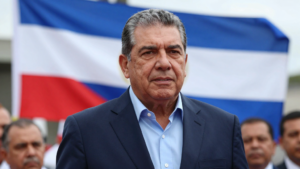
The death toll has climbed past 1,900, with the government putting the official figure at 1,943 killed and 10,571 injured as of Tuesday afternoon, according to Jorge Ramirez, president of the National Assembly. But those numbers left thousands of families still searching for loved ones unaccounted for, as the scale of the catastrophe continued to outpace the official count.
Healthcare System Under Extreme Pressure
The Venezuelan healthcare system, strained by decades of underinvestment and years of economic crisis, is “under extreme pressure now, with facilities operating beyond the capacity of the surge of the trauma cases,” said World Health Organization spokesperson Christian Lindmeier at a media briefing in Geneva.
According to the government, last week’s earthquakes damaged or compromised 38 hospitals nationwide. WHO said it has so far evaluated 21 of those facilities, three of which are no longer operating. Another six have sustained structural damage and the rest are buckling under the influx of injuries. “Findings reveal chaotic service delivery and patient flow, marked by overcrowding, growing surgical backlogs and a breakdown in biosafety measures,” Lindmeier said.
Desperate Hunt for the Missing
With the government offering no official count of missing people, ordinary Venezuelans have turned to WhatsApp groups and nongovernmental digital registries to report relatives as missing. One such registry listed at least 43,220 people as unaccounted for as of Tuesday, a figure that dwarfed the government’s official death toll and underscored the vast scale of the disaster.
The official number of rescues has dropped dramatically in the last three days, the government said, falling from 5,380 people saved in the first two days after the quakes to just four people found alive on Monday. The sole survivor rescued by Tuesday afternoon was a toddler who had been trapped for six days under a collapsed building, Ramirez said. The prime window for finding survivors is typically 48 to 72 hours, and with that window now firmly closed, aid groups say the focus is shifting to recovering the dead while racing to prevent a secondary health catastrophe from sweeping through the displaced population.
Diseases Spread Among the Displaced
United Nations agencies expressed concern about the health effects of thousands of displaced people sleeping for days in the open or in crowded, unsanitary shelters. Without access to toilets, showers or soap, displaced Venezuelans have become increasingly vulnerable to outbreaks of preventable diseases like measles, given the country’s low vaccination rates, Lindmeier said. Conditions are now ripe for waterborne infections such as dengue, yellow fever and malaria to spread through the tent camps that have sprung up across La Guaira state.
More than 15,800 people have been officially displaced, according to the U.N. refugee agency, a figure aid groups say will rise substantially as rescue operations give way to damage assessments. The twin 7.2 and 7.5 magnitude earthquakes struck the Caracas suburb of Catia La Mar last Wednesday, reducing entire neighborhoods to sand and rubble. More than 2,600 foreign rescue workers from multiple countries have poured into the region, joining local volunteers who have spent days pulling survivors and bodies from the ruins with bare hands and without heavy equipment. The U.S. Geological Survey has estimated that more than 10,000 deaths are possible from the twin quakes, which would rank among Latin America’s deadliest natural disasters of the last century.
The U.S. State Department said Tuesday it was evaluating options to provide assistance to Venezuela following the devastating quakes, though formal diplomatic channels remain severely limited amid the ongoing political crisis. International humanitarian organizations are calling for an immediate ceasefire in Ukraine to free up emergency resources for the crisis unfolding in Venezuela.