West Africa’s G5 Sahel Collapse as Central Africa Counts Ebola Dead
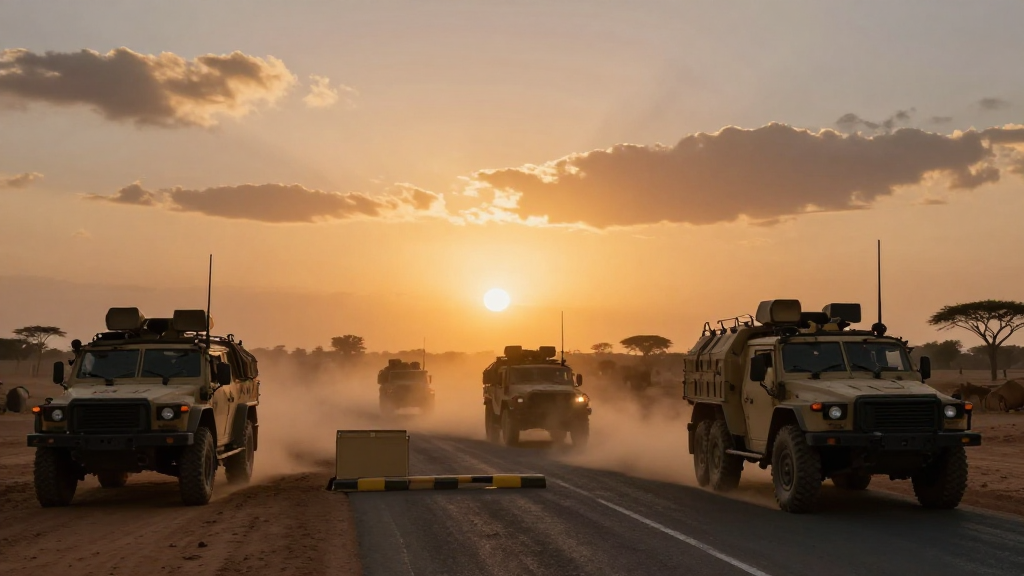
DAKAR, Senegal — The G5 Sahel regional security framework is unraveling, with Mali and Niger both confirming their withdrawal from the force that once represented West Africa’s collective response to jihadist insurgencies, leaving Chad as the sole remaining member and raising urgent questions about the continent’s capacity to manage overlapping crises from the Sahel to the Congo Basin.
West Africa: From Sahel’s Fracture to Coastal Floods
The collapse of the G5 Sahel framework marks the most significant rupture in West Africa’s security architecture since the Economic Community of West African States brokered its first peace agreements in the 1990s. A military officer from one of the departing nations told Reuters the decision was “a matter of sovereign choice,” reflecting a broader pivot by Mali and Niger toward Russia’s Wagner Group and away from former colonial power France. The withdrawal strips the sub-region of a vital coordination mechanism against armed groups operating across porous borders.
Nigeria announced it would seek compensation from South Africa for citizens forced to abandon businesses and homes while fleeing anti-migrant protests that swept through major South African cities. More than 600 Nigerians have already been evacuated, with hundreds more awaiting repatriation. Officials in Lagos are documenting losses as Nigeria pursues diplomatic channels for restitution. Meanwhile, Ghana’s death toll from flooding rose to 13 as Accra’s mayor urged residents in low-lying areas to relocate, with more heavy rain forecast.
Central Africa: Ebola Tests the Regional Response
The Ebola outbreak first detected in the Democratic Republic of Congo has now spread to Uganda, with two confirmed cross-border cases and a four-year-old girl among the dead. Uganda’s Ministry of Health confirmed the cases and said contact tracing was underway. The Africa Centres for Disease Control and Prevention has activated emergency protocols, though health workers on the ground warn that strained health systems on both sides of the border are operating at or near capacity.
“We are watching the numbers climb with grave concern,” a World Health Organization official told reporters in Geneva. The outbreak comes as the DRC simultaneously grapples with ongoing M23 rebel advances in its eastern provinces, complicating the health response and displacing populations who lack access to screening or treatment facilities.
East Africa: Civilians Caught Between Protests and Authoritarianism
In Kenya, young demonstrators returned to the streets of Nairobi on the second anniversary of the Gen Z protest movement that reshaped the country’s political landscape, clashing with riot police who deployed water cannon and tear gas. The protests, which galvanized continental solidarity through viral social media, have now become a recurring feature of Kenya’s political calendar. The Uganda Human Rights Commission confirmed it is investigating the shutdown of the Nation Media Group, which had its printing presses seized and digital operations blocked without explanation. Human Rights Watch said the closure fit “a pattern of silencing critical voices” across the East African sub-region.
Southern Africa: The Xenophobic Wave
South Africa’s June 30 deadline for undocumented migrants to leave or face arrest expired without government enforcement, but the damage had already been done. Anti-migrant mobs targeted foreign-owned businesses across Johannesburg and Cape Town, with the South African Medical Association documenting cases requiring trauma surgery. Ramaphosa deployed the military to affected areas. More than 1,000 people a day are being displaced internally, with Nigeria seeking compensation for abandoned Nigerian-owned businesses and Ghana confirming at least two citizens among those killed.
The Southern African Development Community warned the violence could destabilize the region’s economic integration, as Mozambique and Tanzania reported surges in arrivals at border crossings. Regional analysts say the failure of SADC to intervene early allowed the crisis to accelerate beyond the point where swift containment remained feasible.
North Africa: War Crimes and a Displaced Generation
Sudan’s war has now killed more than 1,500 people, with Amnesty International accusing the Rapid Support Forces of committing crimes against humanity in El Fasher. The UN-brokered ceasefire collapsed within hours of taking effect, and both sides stand accused of deliberately targeting civilians. Libya’s ongoing fragmentation continues to feed weapons into the Sahel, with armed groups crossing the Chad-Libya border unimpeded.
The compounding crises across all five of Africa’s sub-regions are testing the limits of the African Union’s diplomatic architecture. With the G5 Sahel effectively dissolved, the Ebola outbreak spreading across borders, and anti-migrant violence displacing thousands in the south, the continent enters the second half of 2026 under stress not seen in decades. African Union mediators have called for emergency sessions, but officials acknowledge that without coordinated international support, the capacity of regional bodies to respond is approaching a breaking point.
