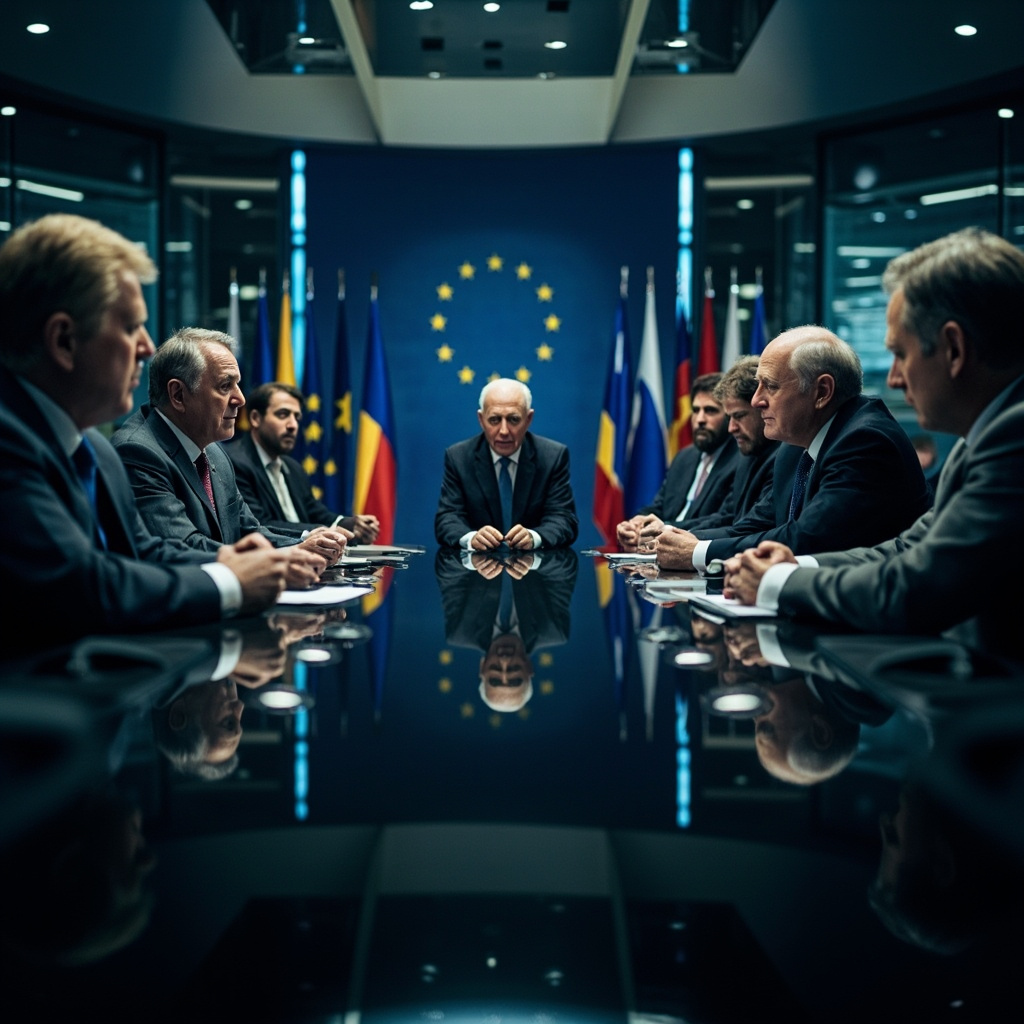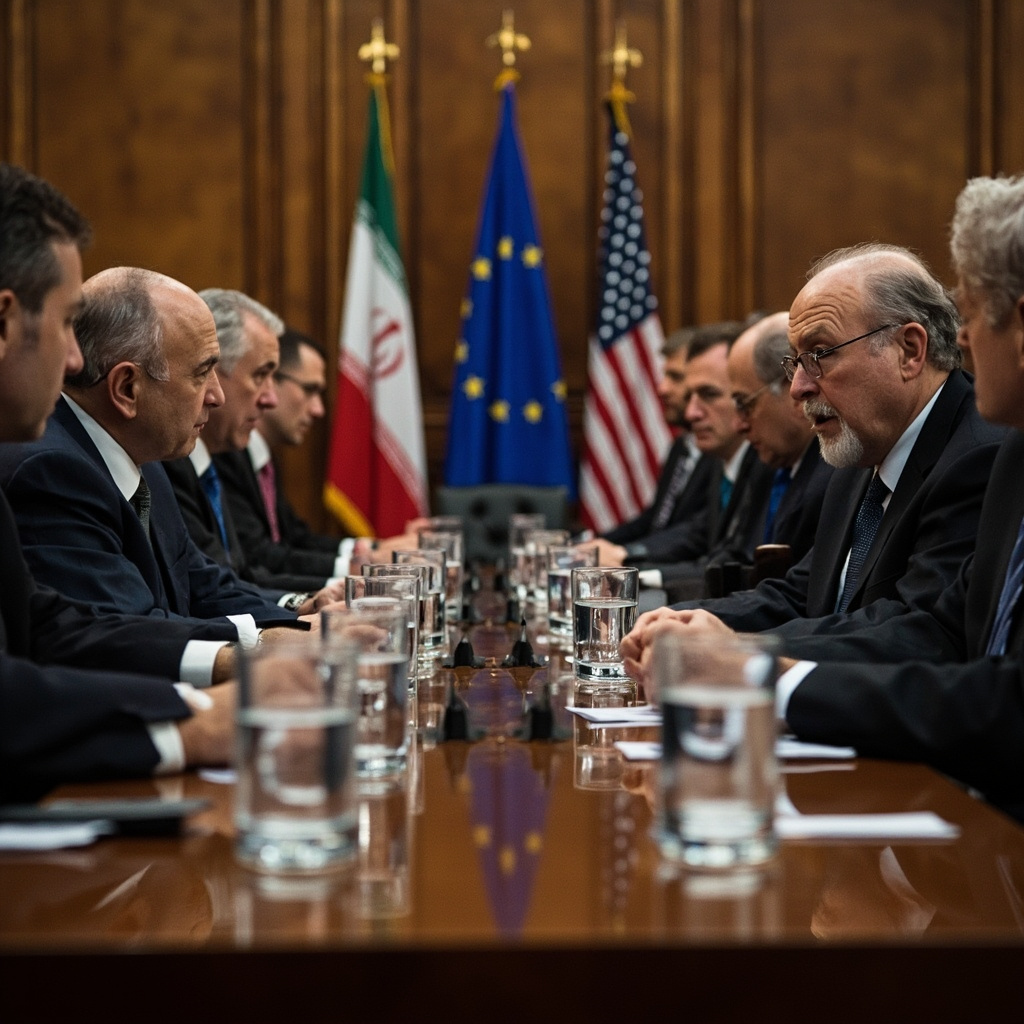
Negotiations in Vienna to restore the 2015 Iran nuclear agreement collapsed Friday as diplomats from Iran, the United States, and European powers failed to secure a framework before a joint EU-Iran summit, leaving a fragile regional ceasefire in acute jeopardy, according to three officials briefed on the talks.
Diplomats Miss Own Deadline as Talks Break Down
The breakdown occurred just 48 hours before a scheduled meeting between Iranian Foreign Minister Abbas Araghchi and EU foreign policy chief Kaja Kallas in Brussels, diplomats said. The summit was meant to be the capstone of four months of shuttle diplomacy but instead faces postponement, the officials said, speaking on condition of anonymity because the talks are not public.
U.S. Special Envoy for Iran Peter Marocco acknowledged the impasse in a brief statement Friday evening, saying Washington remained committed to a diplomatic solution but would not accept a weak agreement. “We will not accept cosmetic constraints while Iran maintains pathways to a bomb,” Marocco said. A State Department spokesperson declined to confirm a specific deadline.
Ceasefire in the Balance
The collapse threatens an informal ceasefire brokered in April between the United States and Iran, which has held — barely — for seven weeks. Israeli officials have watched the Vienna process with scepticism and reserve the right to act if diplomatic channels fail, according to two security officials briefed on Israel’s deliberations.
The IAEA, the United Nations nuclear watchdog, confirmed Friday that Iran continues to cooperate with inspections at declared sites but said its ability to monitor undeclared locations remains constrained. “Our access is limited to what we are permitted,” IAEA Director General Rafael Grossi told reporters in Vienna. “That has not changed.”
“The talks were always going to be difficult, but the pace of the breakdown was faster than most expected. The Americans and Europeans are not on the same page, and that divide is widening.”
— Senior EU diplomat, Vienna, speaking not for attribution
Sanctions Relief: The Central Sticking Point
According to European mediation documents seen by this publication, the principal dispute centres on the sequencing of sanctions relief. Iran demands an immediate, comprehensive lifting of oil-sector sanctions as a confidence-building measure. The United States insists on a phased approach, with full relief contingent on verified dismantlement of Iran’s weapons-grade uranium enrichment programme.
The gap is not merely technical — it reflects a fundamental disagreement about whether Iran’s nuclear programme is a bargaining chip to be negotiated away or an existential insurance policy that Tehran will never fully relinquish.
| Party | Demand | Red Line |
|---|---|---|
| Iran | Full sanctions lift before enrichment verification | No uranium downgrade below 60% purity |
| United States | Verified dismantlement before any sanctions relief | Iran must end 60% enrichment and accept long-term monitoring |
| European Union | Phased deal with staged relief | No collapse of ceasefire; maintain diplomatic channel open |
Trump’s Maximum Pressure Returns to Centre Stage
The breakdown in Vienna coincides with a broader shift in the Trump administration’s posture. A February ceasefire negotiated under U.S.-Iranian back-channel talks had created cautious optimism in European capitals. But hawks within the administration — now ascendant following the Beijing summit breakdown — have renewed calls for a maximum pressure campaign.
“The Vienna process was always a long shot,” said Ali Vaez, Iran director at the International Crisis Group. “The window was narrow, and it is now effectively closed. What you are seeing is the reconsolidation of the maximum pressure faction.”
“The Europeans wanted time. The Americans wanted a deal. Iran wanted sanctions relief. Nobody got what they wanted, and the gap between the first and third positions was simply unbridgeable.”
— Ellie Geranmayeh, deputy director, European Council on Foreign Relations
What Happens Next
Iranian officials have signalled they will not walk away entirely but have demanded a formal apology from the European mediation team for what Tehran described as “bad-faith positioning by the American side.” A senior Iranian diplomat, speaking in Tehran, said the talks would resume “when conditions are right” but gave no timeline.
The White House is now weighing targeted sanctions on Iran’s remaining oil customers — primarily refiners in China and Turkey — as a pressure lever. Simultaneously, Israel has signalled it may resume limited overflights of Iranian nuclear sites as a signal of intent, according to the two Israeli security officials.
With the Vienna channel closed, the only active diplomatic thread runs through Oman, which has hosted back-channel U.S.-Iran talks since 2021. Whether Muscat can bridge a gap that Vienna could not remains deeply uncertain.
Contributing: Mark Telcher in Brussels, Farnaz Fassihi in New York, and John Hudson in Washington.