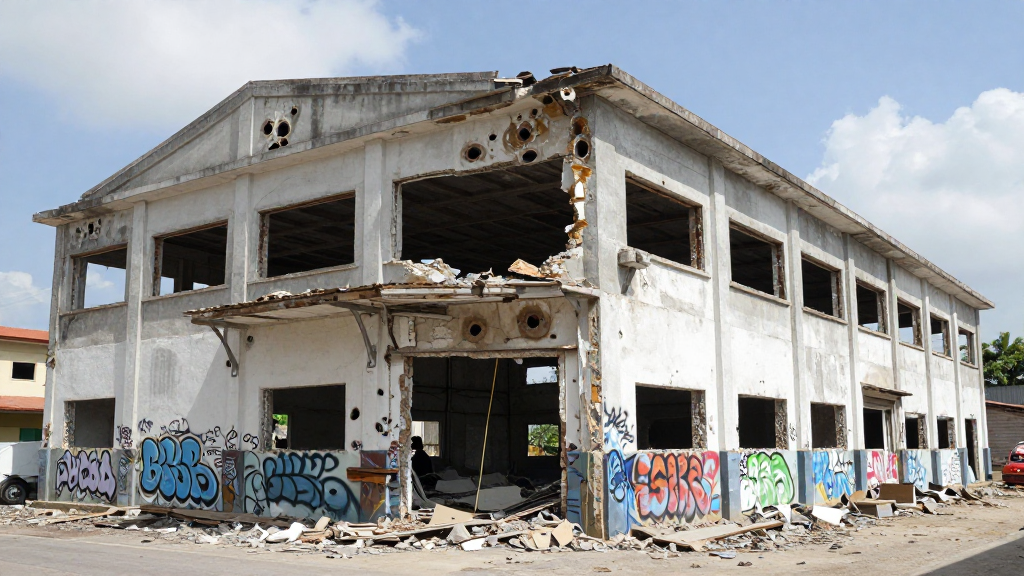
Haiti is at a turning point. A newly deployed UN Security Council-backed force called the Gang Suppression Force, or GSF, is taking the fight directly to the powerful armed gang federations that have held the capital hostage for years. The deployment comes as gang violence has left more than 2,300 people dead since the beginning of the year, with at least 26 heavily armed gangs controlling up to 90 percent of Port-au-Prince and surrounding areas.
A New Mission With Real Teeth
Secretary-General António Guterres toured the GSF base in Port-au-Prince this week, telling journalists that the force offers a real opportunity to curb violence and restore the authority of the state. “We have no right to waste this opportunity,” he said. The GSF is receiving logistical, operational and technical support from the newly established UN Support Office in Haiti, known as UNSOH, including rations, medical care and transportation.
“The objective is clear: to degrade the operational capacity of gangs to a level that Haitian institutions can sustainably manage,” said GSF head Jack Christofides, speaking to the Security Council in April. The base, known as Camp Vertières, is in the process of being equipped to receive some of the 5,550 personnel the Security Council mandated.
A Nation Under Siege
For years, Haiti has suffered under the grip of armed gang federations. Viv Ansanm, or “Living Together,” led by Jimmy “Barbecue” Cherizier, a former police officer turned notorious gang leader, has emerged from the G9 federation founded in 2020 to unite rival gangs. These gangs now control significant portions of the capital and major national highways, inflicting acts of violence on civilians including sexual assault, kidnapping, extortion and arson.
More than 1.5 million people have been internally displaced by gang violence, according to UN figures published in June 2026. “The biggest disgrace is indifference, the indifference of a world that has looked away,” said Guterres during his visit. “Haiti has a chance to turn a corner — but only if the international community assumes its responsibilities.”
Haitian Families Bear the Brunt
For ordinary Haitians, the violence is a daily reality. Marie Rose, a 46-year-old mother of three, was attacked in her neighbourhood in Carrefour-Feuilles in August. “Two men arrogantly called me over, but I stayed back,” she recounted. “They looked suspicious. They then stood directly in front of me, lifting their shirts to show me their weapons. They demanded that I go into an alleyway and lie down on the ground. When I refused, they slapped my face. It was at this point that I followed their orders.” She said she wanted to kill herself afterward. “Whenever these images came to mind, I wanted to end it all. And while I did not act on it, it was because of my children’s futures.”
The government remains largely overwhelmed. Although Haitian National Police and the Armed Forces of Haiti have continued their efforts to regain control of downtown Port-au-Prince, they have made little progress. Community self-defence groups and vigilante brigades have launched a grassroots resistance movement, sometimes in collaboration with law enforcement, but they lack the means required to reverse the balance of power.
Despite the scepticism following the failure of the previous Kenya-led Multinational Security Support mission, there is renewed hope as the GSF builds toward its operational capacity. “For the first time in many years, there is finally some light at the end of the tunnel,” said the UN chief. “Gangs have been terrorizing Haiti. Institutions have been weakened. But with coordinated international support and Haitian leadership, this time could be different.”
As the GSF moves from base to foot patrols across Port-au-Prince and beyond, aid groups say the international community must match its words with sustained funding. Without it, Haiti’s moment of hope risks becoming another chapter in a long tragedy that has already claimed too many lives.