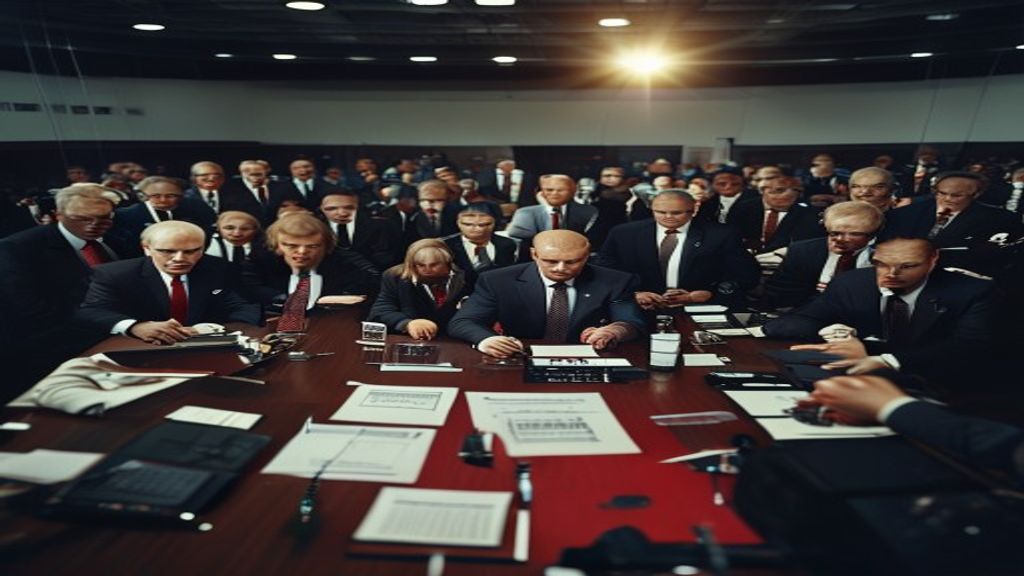
NATO leaders gathered in Ankara on Tuesday for the opening of the alliance’s 36th summit, convening at the Presidential Complex amid the most consequential geopolitical pressures the Atlantic alliance has faced in decades. The two-day gathering, hosted by Turkey, brought together the leaders of all 32 NATO member states alongside senior officials from partner nations including the European Union, Australia, Japan, and New Zealand. Secretary General Mark Rutte opened proceedings by framing the summit as a test of the alliance’s ability to act collectively in a deteriorating security environment.
Ukraine at the Center of the Agenda
The war in Ukraine dominated the summit’s formal agenda, with allied leaders under pressure to demonstrate sustained commitment to Kyiv’s defense capabilities. According to a senior NATO official who briefed reporters ahead of the opening session, the alliance was preparing a new package of military aid designed to sustain Ukraine’s defensive posture through the winter months. The official said the package would include air defense systems, artillery ammunition, and continued intelligence sharing under the NATO-Ukraine framework.
British Prime Minister Keir Starmer arrived in Ankara having announced a significant increase in British defense spending ahead of the summit, signaling that Europe was prepared to carry a greater share of the burden. Starmer held a bilateral meeting with President Emmanuel Macron of France on the summit’s margins, with both leaders emphasizing their shared commitment to collective defense. The two issued a joint statement calling for allies to honor their defense spending commitments and to resist any effort to negotiate Ukraine’s future without Ukrainian consent.
President Volodymyr Zelensky of Ukraine attended the summit as a special guest, meeting separately with Rutte and a number of allied leaders. NATO officials said Zelensky presented a detailed list of military requirements that Kyiv regards as essential for sustaining its forces through the current fighting season. The Ukrainian president reiterated his position that any ceasefire must be accompanied by binding security guarantees, a point he made directly to NATO counterparts in a closed session.
Transatlantic Strains Surface in Bilateral Talks
Beyond the formal agenda, the summit provided a venue for bilateral discussions that exposed ongoing friction between the United States and several European allies. President Donald Trump held separate meetings with Turkish President Recep Tayyip Erdoğan and with NATO Secretary General Rutte, conversations that drew close attention from alliance partners who have grown accustomed to uncertainty in Washington’s commitments.
In his meeting with Erdoğan, Trump discussed the ongoing conflict in Ukraine and the broader question of Turkey’s role in regional security arrangements, according to officials familiar with the discussions. Turkey has maintained a carefully calibrated posture throughout the Ukraine conflict, maintaining communication channels with Moscow while participating in NATO structures. Erdoğan has repeatedly positioned himself as a potential mediator, a role that has at times created tension with allies who prefer a more unified stance toward Russia.
Alliance diplomats told Reuters that the United States had presented a proposal at the summit urging NATO members to accelerate the development of national defense industrial bases, with particular emphasis on artillery and air defense production capacity. The proposal drew a cautious response from several European leaders, who noted that industrial expansion required long-term procurement commitments that remained difficult to secure in democratic political systems.
Alliance Cohesion and the Road Ahead
Observers noted that the Ankara summit arrived at a moment of genuine uncertainty for the alliance. Hungary’s Prime Minister Péter Magyar, who has pursued warmer relations with Moscow than his predecessors, attended the summit and held bilateral talks with Rutte on the summit’s first day. The Hungarian leader has repeatedly questioned the wisdom of continued military aid to Ukraine and has indicated that Budapest may seek to modify its participation in certain NATO support missions.
The summit’s final communiqué, expected on Wednesday, was still being negotiated as talks continued into the evening. Senior officials said language on Ukraine would reaffirm the alliance’s commitment to supporting Kyiv’s sovereignty and territorial integrity, while avoiding formulations that could be interpreted as crossing red lines set by Moscow. Alliance spokespeople declined to provide details of the draft text ahead of its formal release.
Rutte acknowledged the pressures facing the alliance in brief remarks to reporters at the summit’s opening, saying that NATO had faced difficult moments before and had always found a way to act in its common interest. “This alliance has strength because we talk to each other, even when we disagree,” he said. “Ankara is where we continue that work.” The secretary general is expected to hold a press conference on Wednesday afternoon following the summit’s formal closing session.