The Ruling: A 6-3 Verdict on Humanitarian Protections
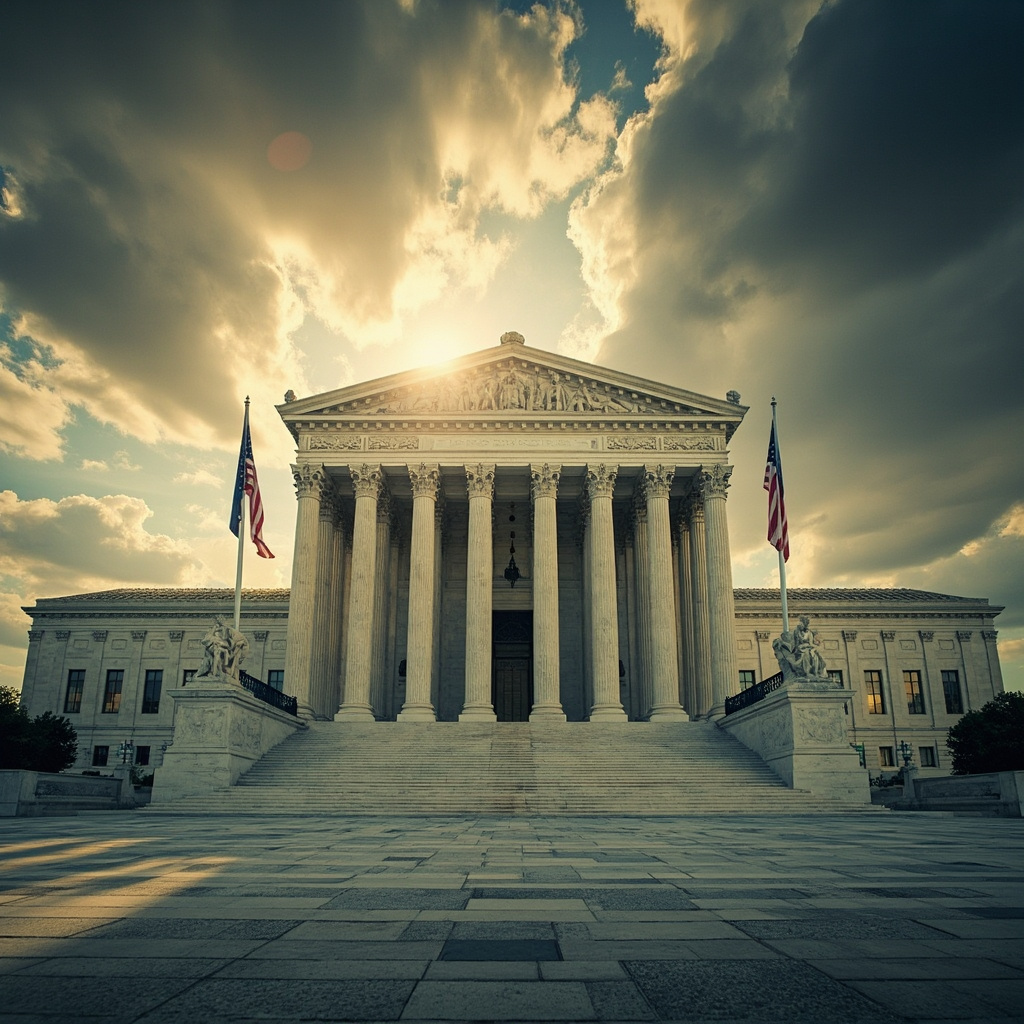
The Supreme Court ruled Thursday that the Trump administration can cancel temporary protected status for hundreds of thousands of Haitians and Syrians, delivering one of the most consequential immigration decisions of the term. In a 6-3 ruling authored by Justice Samuel Alito, the court concluded that the Department of Homeland Security has near-absolute discretion — with little room for judicial challenge — to determine when beneficiaries of the program must return to countries still reeling from armed conflict and natural disaster. The decision affects an estimated 350,000 people currently living and working legally in the United States under TPS designations for Haiti and Syria alone, and opens the door for the administration to push through terminations already carried out for 13 other nations under the same legal framework.
Writing for the majority, Justice Alito said the TPS statute unambiguously bars courts from second-guessing the Homeland Security Secretary’s determinations. “The TPS statute plainly bars consideration of respondents’ non-constitutional claims,” Alito wrote. “It allows no judicial review of any determination with respect to the termination of a TPS designation.” The court’s three liberal justices — Ketanji Brown Jackson, Elena Kagan, and Sonia Sotomayor — dissented, with Justice Kagan delivering a sharp rebuke that went beyond the legal arguments and directly challenged the motivations behind the terminations.
Kagan’s Dissent: ‘Racial Inflection’ and the Evidence the Majority Would Not Print
In one of the most pointed dissents of the current term, Justice Elena Kagan went further than any of her colleagues in directly naming what she said drove the administration’s decisions. Citing Trump’s campaign trail comments about Haiti — including the baseless claim that Haitian immigrants in Springfield, Ohio were stealing and eating household pets — Kagan wrote that the evidence before the court included statements by the President that were “so repellent and racially inflected that the majority declines to put them in print.”
“The references — of filth, disease, and primitiveness — are shot through with racial animus,” Kagan wrote, according to sources familiar with the dissent. “When an administration’s stated reason for targeting a specific national origin group is indistinguishable from textbook racial stereotyping, courts cannot simply look away.” The dissent argued that the Equal Protection Clause demanded at minimum that courts examine whether race played a motivating role in the TPS terminations — a claim the majority declined to address on its merits. The opinion drew immediate praise from civil rights groups and condemnation from the administration, with White House press secretary Karoline Leavitt calling it “a transparent attempt to import political grievances into a straightforward statutory question.”
Immigration attorneys for the Haitian plaintiffs were blunter in their assessment. Geoffrey Pipoly and Andrew Tauber told reporters outside the courthouse: “This decision will endanger Haitian TPS holders who fled their homeland in pursuit of what generations of immigrants yearned for when they made the painful decision to leave all they have known to live in safety.” In a joint statement, they added: “It is a very sad day, not only for Haitian TPS holders but for anyone who believes, as we do, that immigrants are one of America’s greatest strengths.”
Congress as the Last Line of Defense — and Why That May Not Be Enough
The ruling leaves Congress as the only remaining institutional check, and the path forward is narrow. A bipartisan coalition in the Senate has drafted legislation to codify TPS protections and prevent terminations for countries currently designated, but the math is unforgiving: Trump has repeatedly demanded that Congress not extend the program, and with his party controlling both chambers, the votes are not there. DHS General Counsel James Percival offered a sharp defense of the administration’s position, saying the original intent of TPS was never to create permanent residency pathways. “The T in TPS stands for temporary, yet many of these designations became de facto amnesty,” Percival said in a statement. “This is a win for the rule of law and common sense.”
For the hundreds of thousands of people caught in the ruling’s wake, the practical timeline is already in motion. DHS has begun notifying affected TPS holders that their work authorizations will expire within 120 days of formal termination notices, which are expected within weeks. Community organizations in Miami, New York, and Houston — cities with large Haitian and Syrian populations — have set up emergency legal clinics to help beneficiaries explore every available legal avenue, including the constitutional claims Kagan’s dissent said the court should have entertained. What happens next depends less on the courts than on an unlikely legislative fix, political pressure from a public that remains deeply divided on immigration, and the willingness of the affected communities to make their case directly to a country that many of them have called home for a decade or more.
.