President Donald Trump arrived in Beijing on Tuesday evening for a high-stakes summit with Chinese President Xi Jinping, the first visit by a sitting US president to China in nearly a decade, with trade, the Iran war, and artificial intelligence topping a crowded and contentious agenda.
The two-day visit — originally scheduled for March but delayed after the US-Israel conflict with Iran erupted — places the leaders of the world’s two largest economies face to face at a moment of acute diplomatic tension. The summit runs through Friday, with bilateral meetings, a state banquet, and a working lunch all planned.
The stakes are high on every front. The two sides carry unresolved friction into the room: tariffs that have reshaped global trade flows, a Middle Eastern war that implicates China’s energy security, and a technology competition with implications for both countries’ futures.
Iran, Oil, and the Strait of Hormuz
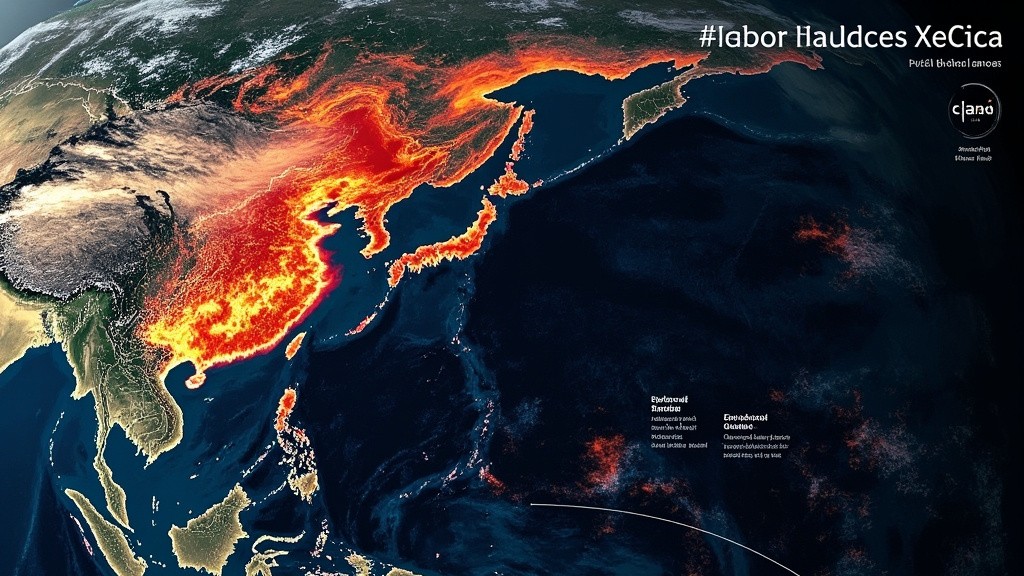
China sources approximately 60 percent of its crude oil through the Strait of Hormuz, making any prolonged disruption to that corridor — caused by the ongoing Iran conflict — a direct economic threat to Beijing. With peace talks stalled and the strait still contested, the Iran war is expected to feature prominently in discussions between Trump and Xi.
The relationship between Beijing and Tehran adds further complexity. China is Iran’s largest oil buyer and has provided diplomatic cover for the Iranian government on the global stage. Washington has already sanctioned several Chinese firms for purchasing Iranian oil or supplying satellite imagery to the Iranian government.
Trump made pointed remarks in April, suggesting China may have supplied weapons or other military equipment to Iran. US officials said they intercepted a vessel carrying what they described as a “gift” from China. Beijing strongly denied the allegation, with a foreign ministry spokesperson calling it a false association with a foreign-flagged container ship.
Despite the friction, Trump has sought to play down any lasting damage to the US-China relationship. He told reporters before departing that he has a “great relationship” with Xi, though US officials confirmed the question of Chinese revenue flowing to Iran — and potential arms transfers — would be on the table.
“We have Iran very much under control. We’re either going to make a deal, or they’re going to be decimated one way or the other.”
— President Donald Trump, before departing for Beijing
Trade Truce and the Tariff Battlefield
On trade, the immediate question is whether the current tariff ceasefire — a 90-day pause announced in April — will be extended beyond its July expiration deadline. Both sides have held preliminary discussions but have not yet reached agreement on the terms of a broader deal.
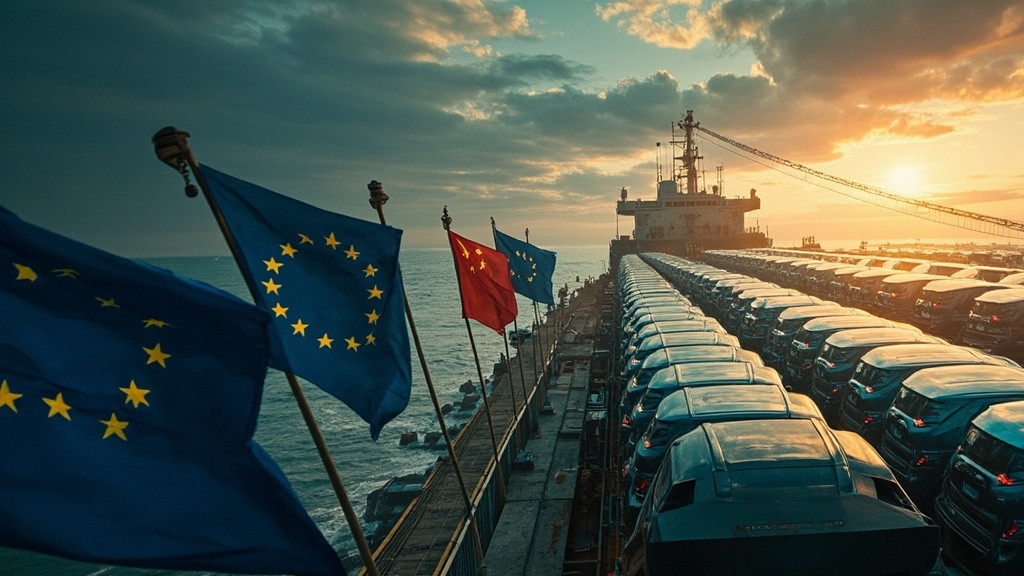
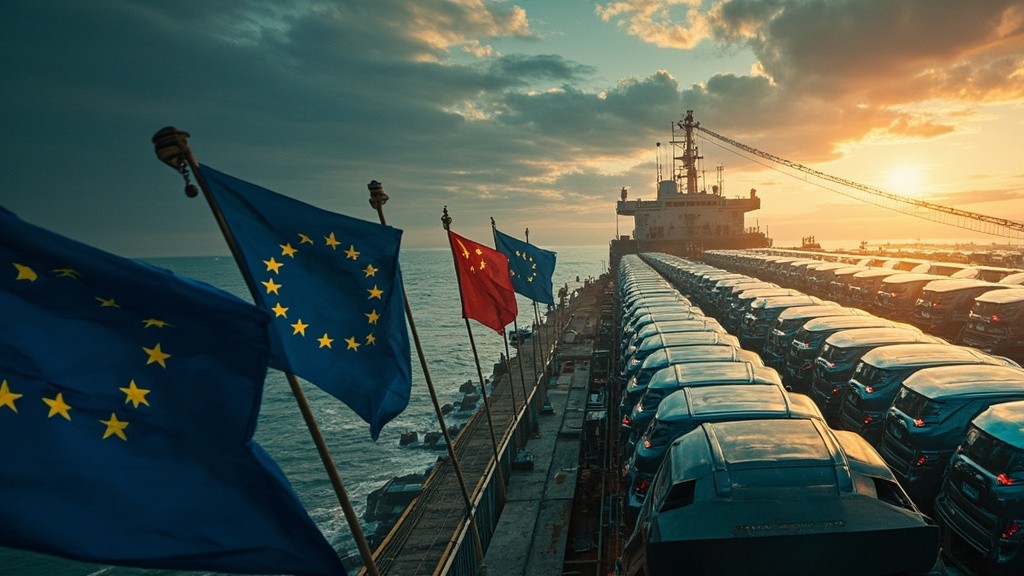
The EU’s decision this week to impose sweeping tariffs on Chinese electric vehicles has further complicated the landscape, with Beijing signalling it may seek to redirect trade flows through the United States in the event of escalating European counter-measures. Trump’s administration has signalled it wants a comprehensive deal that opens Chinese markets to US financial services, agricultural exports, and technology firms.
The AI Race and Technology Competition
US officials have said they intend to raise artificial intelligence and cybersecurity concerns during the summit. Washington is worried about the rapid advancement of advanced AI systems and the potential dangers arising from inadequate communication about these technologies between the two powers.
“Trade remains politically powerful, especially for Trump, because it gives rivalry a language that voters can easily understand. Yet the deeper conflict concerns hierarchy, legitimacy and the future architecture of global order.”
— Salvador Santino Regilme, Associate Professor and Chair of International Relations, Leiden University
What Happens Next
Analysts say the summit will test whether the world’s two largest economies can find enough common ground to prevent the relationship from sliding into deeper confrontation. Neither side appears willing to concede on the core structural issues — technology competition, Taiwan’s status, and the future of global supply chains — but both have incentives to keep the relationship from completely breaking down.
Trump’s own framing has been characteristically optimistic: he has said repeatedly that he believes a deal with China is achievable and that Xi wants to be seen as a dealmaker. Whether that optimism survives the reality of the negotiating table remains to be seen.
The next 48 hours will set the tone for US-China relations for the remainder of 2026. The outcomes will be scrutinised closely in every foreign capital, in financial markets, and among the millions of businesses on both sides whose supply chains depend on the relationship staying functional.
Key Facts at a Glance
| Topic | Detail |
|---|---|
| Visit dates | May 13–15, 2026 |
| Chinese oil via Strait of Hormuz | ~60% of China’s crude oil supply |
| Last US presidential visit to China | 2017 (Trump, first term) |
| Trade ceasefire expires | July 2026 (90-day pause) |
| Chinese firms sanctioned by US | Multiple (Iranian oil, satellite imagery) |
| Events planned | State banquet, bilateral meetings, working lunch |
The summit will be watched closely by allies in Tokyo, Seoul, and across Europe, all of whom have significant economic exposure to the US-China relationship and are anxiously awaiting signals about its future direction.