Warsh’s Hawkish Debut: Fed Holds Rates and Signals a Hike May Be Coming
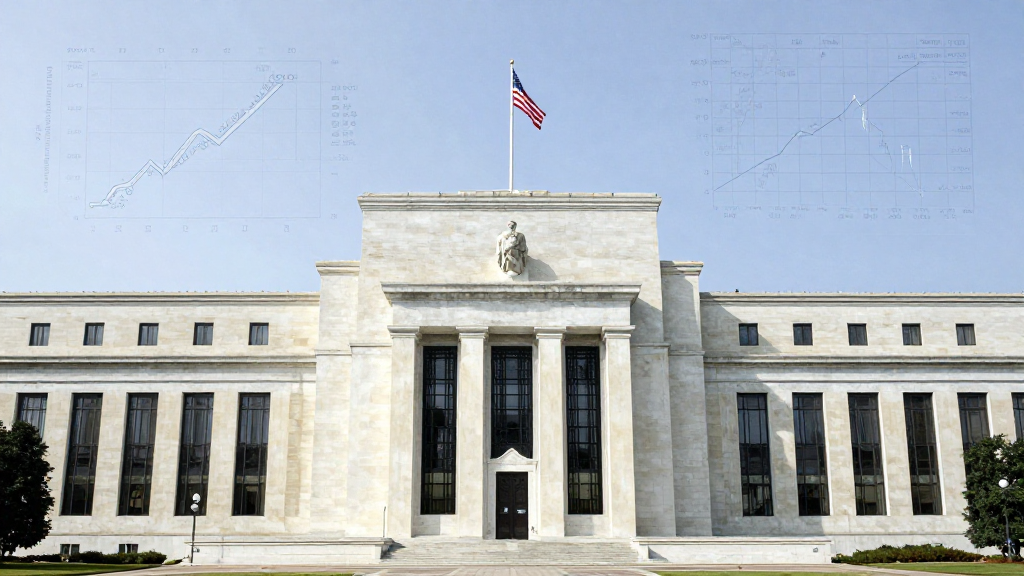
The Federal Reserve held interest rates steady at a range of 3.50% to 3.75% on Wednesday, marking Kevin Warsh’s debut as Federal Reserve Chair and delivering a notably hawkish signal that rattled financial markets across the board. The outcome of the Federal Open Market Committee’s two-day meeting held on June 16-17 was largely in line with economists’ expectations on the headline decision, but the accompanying projections surprised traders by showing a majority of policymakers now leaning toward a rate hike before the end of 2026.
Warsh’s Debut Ends With a Hawkish Surprise
Kevin Warsh, picked by President Donald Trump to lead the central bank, opted against submitting his own rate projections in his first press conference, a break from tradition that left markets searching for clarity on his exact thinking. The policy statement issued alongside the decision was notably shorter than those produced under Jerome Powell, reflecting Warsh’s different approach to communication. Yet the hawkish tilt was unmistakable: nine of the Fed’s 18 policymakers indicated they could support a rate hike before year-end, suggesting the central bank remains deeply concerned about inflation even as the broader economy shows signs of cooling.
“For years I have said that inflation is a choice,” Warsh told reporters, reinforcing his long-held view that price pressures are a policy matter rather than an inevitability. The new Fed Chair also reaffirmed the central bank’s “commitment to deliver 2% inflation is strong, unanimous and unambiguous,” language that signaled he intends to be every bit as aggressive on deflation as his predecessors were on stimulus. Markets had anticipated a gentler hand from the Trump-appointed chair, and the disconnect between those expectations and Wednesday’s outcome sent stocks lower almost immediately after the 2 p.m. ET announcement.
Markets React Sharply to Hawkish Dot Plot
The S&P 500 fell 0.5% on Wednesday and erased an earlier modest gain after the Fed released its updated Summary of Economic Projections, which showed the median member now forecasting one hike in 2026 rather than the two cuts markets had been pricing in just weeks earlier. The Dow Jones Industrial Average shed 71 points, while the Nasdaq Composite dropped 0.5%, with technology and rate-sensitive sectors bearing the brunt of the selling. Treasury yields climbed as traders unwound their rate-cut bets, with the two-year yield rising to levels that imply the market now sees little room for easing before 2027.
The hawkish shift reflects the Fed’s growing concern about a confluence of inflationary pressures that have proved more persistent than officials anticipated when the easing cycle began earlier this year. Oil prices have traded well above year-ago levels amid the ongoing conflict involving Iran, feeding directly into gasoline and heating costs for American consumers. Simultaneously, the rapid build-out of artificial intelligence infrastructure, including data centers and power-hungry semiconductor facilities, is showing up as a measurable boost to headline GDP figures, complicating the Fed’s effort to assess whether above-trend growth is transitory or structural. Warsh himself flagged the dual nature of AI during his press conference, saying the technology “is filled with both huge opportunity and with risks” and that the committee is carefully monitoring demand-side pressures while remaining uncertain about the supply-side response.
Task Forces and Structural Review Signal Longer-Term Shift
Beyond the immediate rate decision, Warsh used his first meeting to announce the appointment of task forces across five key areas of monetary policy: productivity, inflation frameworks, communications, balance sheet management, and the use of data in decision-making. The move signals a desire to institutionalize his approach to governance rather than rely solely on traditional interest-rate signaling, and it represents a sharp departure from the consensus-driven style of his predecessor. Officials are expected to provide more detail on the task forces’ mandates in the coming weeks, though analysts cautioned that structural reviews rarely move markets in the short term.
The decision to hold rates comes after the Fed had lowered short-term interest rates at three consecutive meetings before pausing its easing cycle in January. That pause now appears to be hardening into a more permanent plateau as the dual threats of persistent inflation and geopolitical supply shocks convince even previously dovish policymakers that the risk of moving too soon outweighs the cost of waiting. Consumer spending, which had been the primary engine of U.S. growth through the first half of the year, has begun to show signs of fatigue as higher borrowing costs filter through credit card balances and auto loans, while business investment remains constrained by uncertainty over both trade policy and the cost of capital.
What Comes Next for Borrowing Costs
Looking ahead, the path for U.S. interest rates depends largely on whether the recent inflation data cooperates. The Fed’s preferred gauge, the Personal Consumption Expenditures price index, has run above the 2% target for the past 18 months, and the latest readings suggest it may take until well into 2027 before a sustained return to target is achievable. If oil prices remain elevated due to the Iran conflict, and if AI-driven infrastructure spending continues to boost nominal GDP, the case for additional rate hikes will only strengthen, potentially pushing the federal funds rate above its current 3.50%-3.75% range for the first time since 2019.
The tension between growth and inflation has placed the Fed in an uncomfortable position that is likely to define Warsh’s early tenure. Holding rates too high for too long risks tipping the economy into recession, particularly if consumer spending continues to cool and the labor market softens. Cutting too soon, on the other hand, could embed inflation expectations above the 2% target and force an even more aggressive tightening cycle down the road. For now, Warsh has chosen the cautious path, betting that patience and the credibility built over decades of Fed independence will be enough to bring inflation to heel without requiring the blunt instrument of a rate hike that markets fear.
The next FOMC meeting is scheduled for late July, when officials will receive another full set of inflation, employment, and GDP data before deciding whether to maintain the current hold or begin laying the groundwork for a move. Until then, traders and businesses alike will be parsing every word from the new Fed chair for clues about where policy is headed, in what has already become one of the most scrutinized periods in the Fed’s recent history.