Federal Reserve Holds Rates as Inflation Pressures Show Marked Signs of Cooling
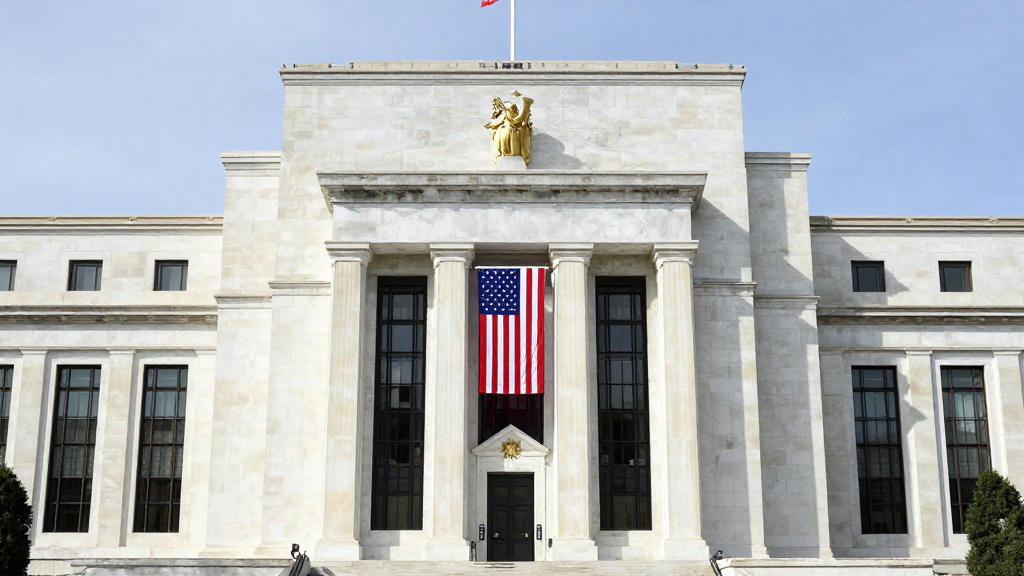
Federal Reserve Chair Jerome Powell held interest rates steady at the July meeting, maintaining the federal funds rate in the 3.50 to 3.75 percent target range as policymakers navigated a complex landscape of cooling inflation, resilient employment, and mounting uncertainty from global trade disruptions. The unanimous decision aligned with market expectations, yet the accompanying policy statement and Powell’s press conference signals indicated that the central bank is actively reassessing its near-term course in light of evolving data, according to the official Federal Open Market Committee statement released Wednesday.
Inflation Trajectory Shifts as Price Pressures Moderate
The most significant development driving the Fed’s cautious optimism is the marked moderation in price pressures over the past three months. The Personal Consumption Expenditures price index, the Fed’s preferred inflation gauge, fell to 2.1 percent year-over-year in June, its lowest reading since early 2024, according to data from the Bureau of Economic Analysis. The so-called super-core measure, which strips out food and energy and focuses on services inflation, decelerated to 3.2 percent from a cycle peak of 5.1 percent, a trajectory that Fed officials have repeatedly identified as the critical determinant for beginning rate reductions.
Governor Christopher Waller, speaking at a banking symposium in Chicago, offered the clearest signal yet that conditions are moving in the right direction. “We are seeing the kind of sustained progress on inflation that the committee has been waiting for,” Waller said. “The question is no longer whether we have turned a corner on prices. The question is how much runway remains before we can responsibly ease policy.” His remarks, widely interpreted as a shift toward dovishness, sent two-year Treasury yields down by 14 basis points in the session following the Fed announcement.
Labor Market Resilience Complicates the Timing of Easing
For all the encouraging news on inflation, the labor market presents a more nuanced picture. Nonfarm payrolls added 185,000 jobs in June, according to the Bureau of Labor Statistics, comfortably above the breakeven pace needed to absorb new entrants into the workforce. The unemployment rate held steady at 4.2 percent, defying earlier predictions that rising interest rates would trigger a sharper slowdown in hiring. Average hourly earnings grew 0.3 percent on the month and 4.0 percent year-over-year, maintaining the gradual wage growth that has supported consumer spending without reigniting inflationary pressures.
Yet regional disparities tell a more complicated story. Manufacturing employment contracted by 22,000 positions, with the auto sector bearing the heaviest toll as elevated borrowing costs weighed on vehicle purchases and plant modernization budgets. The technology sector continued its restructuring trend, with information services payrolls declining for the third consecutive month as artificial intelligence-driven efficiency gains reduced headcount across major platforms. These sector-specific weaknesses have created political friction, with industry groups and lawmakers from manufacturing-heavy states urging the Fed to prioritize growth over the final percentage points of its inflation target.
Financial Markets Price in a September Liftoff
Following the Fed’s announcement, futures markets rapidly repriced the probability of a rate cut at the September meeting, moving from 64 percent to 78 percent implied odds, according to Bloomberg’s interest rate probability calculator. The S&P 500 extended gains to close 1.4 percent higher, led by rate-sensitive sectors including real estate investment trusts, utilities, and regional banks. The dollar index declined 0.6 percent against a basket of major currencies, reflecting the anticipated shift in the interest rate differential between the United States and its trading partners.
Bond market dynamics added a further layer of complexity to the outlook. The yield curve between two-year and ten-year Treasuries steepened by 8 basis points, reversing a period of persistent inversion that has historically been associated with recession risk. This steepening occurred as longer-dated yields held firmer than their shorter counterparts, suggesting investors are cautiously optimistic about the growth outlook even as they price in easier short-term monetary conditions. “The curve is finally telling us something other than doom,” said Loretta Mester, president of the Federal Reserve Bank of Cleveland, in a post-meeting interview. “That is a meaningful signal that the market believes the soft landing is intact.”
The path ahead, however, remains highly conditional. Fed Chair Powell repeatedly emphasized that the central bank will not pre-commit to a specific timeline and will instead evaluate each meeting on the basis of incoming data. Key variables include the trajectory of shelter inflation, which has remained persistently elevated due to lagged measurement methodologies, and the resolution of ongoing fiscal debates in Congress that could influence government spending and thus aggregate demand. The next FOMC meeting is scheduled for late September, with the quarterly Summary of Economic Projections set to provide updated dot-plot guidance that markets will scrutinize for clues about the pace and magnitude of future easing.