Trump Tariffs Escalate Trade War With 17 Nations
The United States announced a sweeping new tariff package targeting seventeen countries on Thursday, escalating trade tensions with allies and adversaries alike as the Trump administration insisted the measures were designed to correct longstanding imbalances in global commerce.
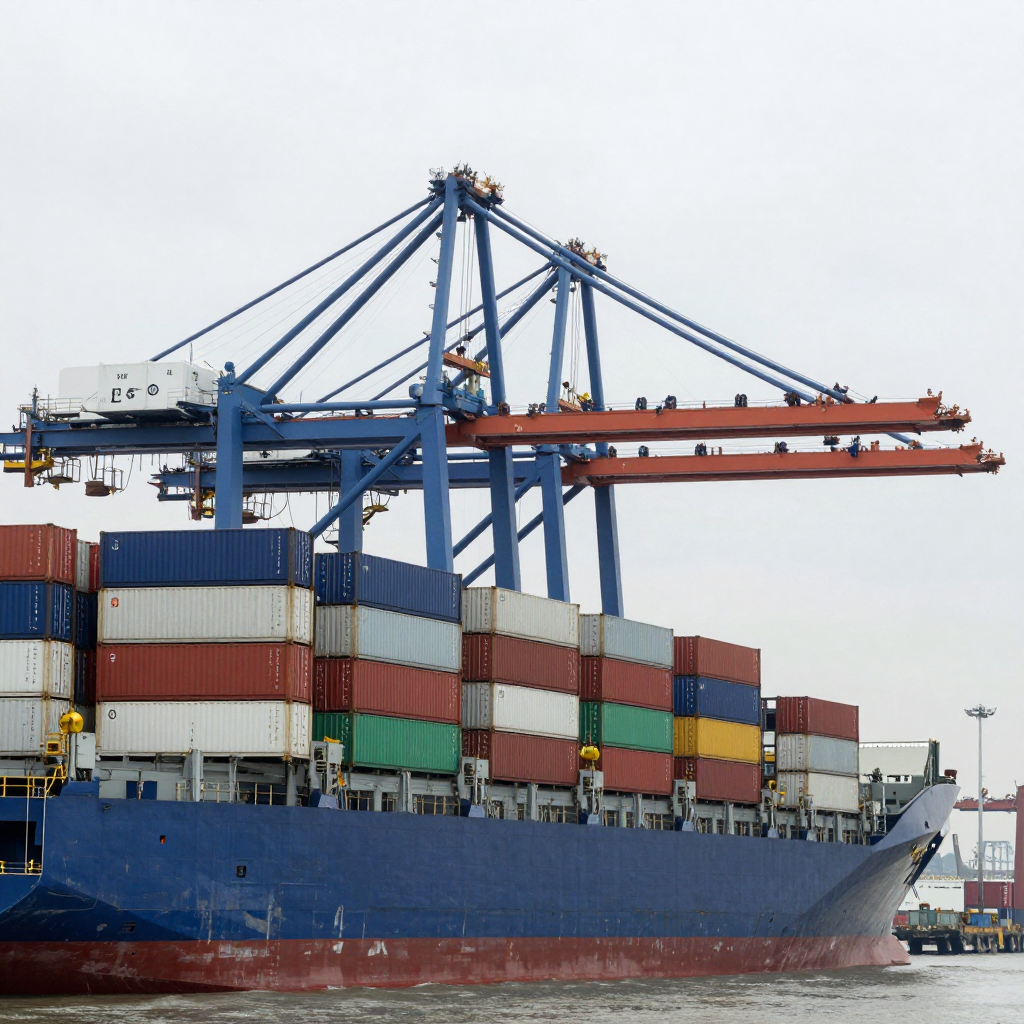
The United States announced a sweeping new tariff package targeting seventeen countries on Thursday, escalating trade tensions with allies and adversaries alike as the Trump administration insisted the measures were designed to correct longstanding imbalances in global commerce.
President Donald Trump signed the executive order imposing baseline tariffs of at least 10 percent on imports from nations with which the United States runs persistent trade deficits, with some countries facing levies as high as 39 percent, according to senior administration officials who briefed reporters on condition of anonymity ahead of the formal announcement.
Scope and Rationale
The tariffs cover a broad cross-section of trading partners including the European Union, Japan, South Korea, India, and several Southeast Asian nations. A 25 percent tariff applies to automobiles and automobile parts imported from Canada and Mexico, stacking on top of existing duties imposed earlier in the year under the USMCA trade agreement, administration officials said.
The Office of the United States Trade Representative released a statement asserting that the new tariffs were justified under Section 232 of the Trade Expansion Act, citing national security concerns related to dependence on foreign supply chains for critical goods. The USTR added that bilateral negotiations with individual countries would proceed in parallel with the tariff implementation, which takes effect on July 4.
The European Commission swiftly condemned the move. European Commission President Ursula von der Leyen called the decision “unjustified and counterproductive” and said the EU was preparing retaliatory measures targeting approximately 360 billion euros in annual US exports, focused primarily on agricultural goods, machinery, and aerospace components.
Allied Reactions and Diplomatic Fallout
Japan’s government summoned the US ambassador to Tokyo for an urgent explanation, according to a senior Japanese foreign ministry official who spoke to the Associated Press on background. South Korea’s trade ministry said it would activate an emergency economic response team and requested immediate bilateral consultations under the US-Korea Free Trade Agreement.
India announced it would impose retaliatory tariffs on fifteen categories of American goods, including almonds, apples, and certain chemical products, Indian Trade Minister Piyush Goyal told reporters in New Delhi. The announcement came hours after Prime Minister Narendra Modi held a telephone conversation with President Trump in which he urged the president to reconsider the broader tariff regime.
“We have made our position clear through diplomatic channels and through direct conversations at the highest level,” Goyal said. “Reciprocity is not aggression. It is the right of every sovereign nation.”
Market Impact and Economic Outlook
Global financial markets reeled from the announcement. The S&P 500 fell 2.3 percent in afternoon trading, erasing gains recorded earlier in the week, while the Dow Jones Industrial Average dropped more than six hundred points. The euro weakened against the dollar, and Asian markets signaled sharp declines in after-hours trading.
The International Monetary Fund issued a statement expressing deep concern and warning that the tariffs risked tipping the global economy into recession. The fund called on the United States to exercise restraint and engage in dialogue rather than unilateral action.
Business groups in the United States were sharply divided. Manufacturers reliant on imported components warned of production shutdowns within weeks if supply chains were disrupted, while certain domestic industries that compete directly with foreign imports welcomed the protections as long overdue.
Analysts at Goldman Sachs revised their forecast for global growth downward, projecting that the tariff regime would subtract between 0.3 and 0.5 percentage points from world gross domestic product growth in the coming year, depending on the duration and scope of the measures.
What Comes Next
The White House has scheduled bilateral meetings with representatives from several major trading partners over the coming ten days, according to a senior official. The EU has threatened to escalate its retaliatory package if talks do not produce progress within thirty days.
Congressional Republicans offered mixed reactions. Some members warned that the tariffs would raise prices for American consumers ahead of the November midterm elections, while others voiced support for the administration’s confrontational stance toward trading partners they have long accused of unfair practices.
World Trade Organization Director-General Ngozi Okonjo-Iweala urged all parties to return to multilateral negotiations, noting that the WTO dispute settlement mechanism remained available to resolve disagreements. She warned that a prolonged trade conflict would reverse hard-won gains in poverty reduction and economic development, particularly for emerging economies.
