Trump Calls America STUPID for Birthright Citizenship After Supreme Court Loss, Vows Congressional Response
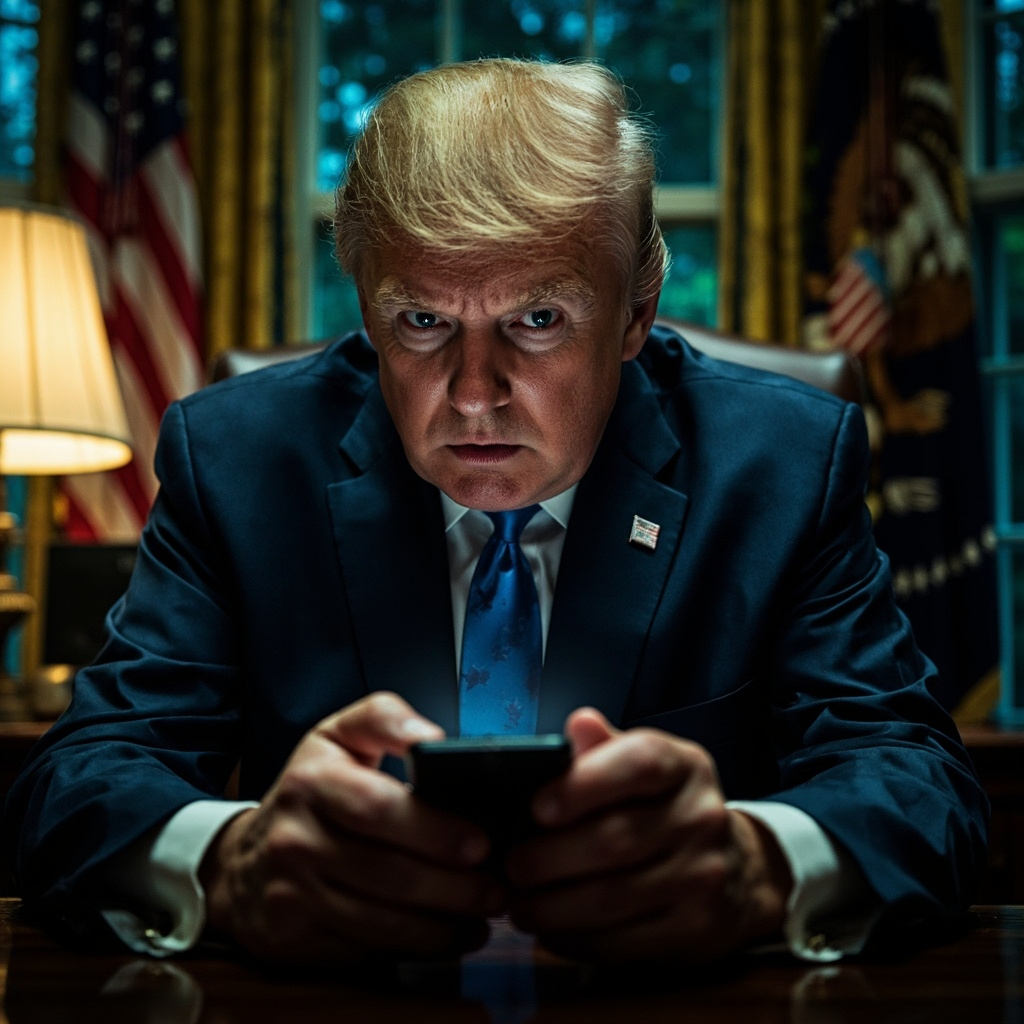
The Supreme Court delivered a sweeping rejection of President Donald Trump’s signature immigration policy on Tuesday, ruling 6-3 that all children born in the United States are entitled to citizenship under the 14th Amendment — a decision the president quickly condemned and promised to circumvent through legislation.
Trump signed an executive order on the first day of his second term attempting to limit citizenship to children born to citizens or legal permanent residents, excluding those born to tourists or undocumented immigrants. The high court’s decision upholds more than 125 years of constitutional precedent dating to the post-Civil War ratification of the 14th Amendment.
Trump: The United States is STUPID
Trump, who made an unprecedented appearance at Supreme Court oral arguments in April for the birthright case, did not wait long to respond. Within hours of the ruling, the president posted on social media: “The United States is the only country in the world STUPID enough to allow ‘Birthright’ Citizenship!” He then called on Congress to pass legislation restricting birthright citizenship, though constitutional scholars say such a change would require a formal amendment.
Senate Minority Leader Chuck Schumer, D-New York, celebrated the ruling as a vindication of constitutional process. “Despite Trump’s best efforts to bully them, the Supreme Court just reaffirmed that if you are born in America, you belong in America,” Schumer posted on social media. “The framers of the Fourteenth Amendment wove that value into our Constitution, affirming that those born on American soil are citizens.”
Speaker Johnson: Amend the Constitution
House Speaker Mike Johnson, R-Louisiana, told reporters he was “very disappointed” by the ruling and argued the practice of so-called “birth tourism” had been abused. “I’m sure that the conclusion from this decision is you have to amend the Constitution to fix that,” Johnson said. He pledged the House would continue examining legislative options to address the issue.
The ruling was accompanied by a coordinated administration response. The Justice Department directed federal prosecutors to prioritize fraud investigations into birth tourism — the practice of parents traveling briefly to the United States to give birth and secure citizenship for their child. Assistant Attorney General Colin McDonald said in a memo that people entering the country under “false pretenses” could be charged under laws barring visa fraud, money laundering, and identity theft.
A Term of Mixed Verdicts
Tuesday’s ruling capped a tumultuous Supreme Court term for the administration. The Court allowed bans on transgender athletes in West Virginia and Idaho by a 6-3 margin, siding with Trump’s stated opposition to transgender athletes in female sports. The conservative majority also struck down a campaign finance coordination law benefiting Republican candidates, a win for Trump-aligned political operations.
But the administration suffered losses on two issues Trump personally championed. In addition to birthright citizenship, the Court ruled 5-4 that Trump could not fire Federal Reserve Governor Lisa Cook, preserving the independence of the central bank in a ruling that limits presidential removal power over independent regulatory agencies.
The justices also agreed Tuesday to take up challenges to assault weapon bans in Connecticut and Chicago, continuing a pattern of expanding Second Amendment rights that could produce another landmark ruling in the next term.
constitutional scholars note that legislation cannot override the 14th Amendment, which was ratified in 1868 specifically to guarantee citizenship to formerly enslaved people and their descendants. Any change to birthright citizenship would require a formal constitutional amendment — a process that demands two-thirds majorities in both chambers of Congress and ratification by 38 states. That threshold has not been reached on any proposed amendment since the Equal Rights Amendment fell short in the 1970s and 1980s. The White House has not yet indicated whether it will pursue that route, though the president’s allies in Congress have signaled openness to a floor vote on a citizenship amendment as early as this fall.