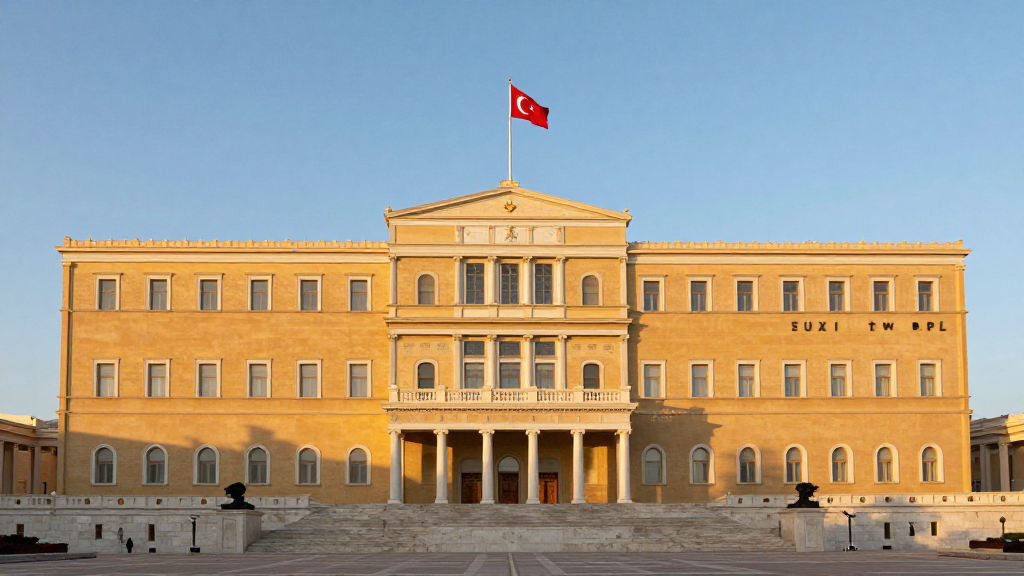
ANKARA, Turkey — The United States launched a fresh wave of airstrikes against Iran on Wednesday, July 9, as President Donald Trump declared a 60-day ceasefire “over” and ordered renewed military pressure on Tehran just hours before arriving in this Turkish capital for a two-day NATO summit. The strikes, confirmed by U.S. Central Command, targeted what Pentagon officials described as weapons storage facilities and naval assets in southern Iran. Iran’s Islamic Revolutionary Guard Corps responded with its own strikes against U.S. positions in the Gulf, according to statements from Tehran, in what analysts described as the most intense escalation between the two countries since the collapse of the 2025 nuclear talks.
The military escalation unfolded against the backdrop of the 32-member NATO alliance’s most consequential gathering of the year, convened in Ankara at the invitation of Turkish President Recep Tayyip Erdogan. World leaders including French President Emmanuel Macron, British Prime Minister Keir Starmer, and Ukrainian President Volodymyr Zelenskyy gathered for the summit, which NATO Secretary General Mark Rutte described as a defining moment for the alliance’s eastern flank commitments. The convergence of the Iran escalation with the NATO gathering gave the summit an unplanned urgency, as leaders were forced to address a simultaneous crisis in the Middle East while discussing support for Ukraine against Russia.
Military Strikes Escalate Despite Diplomatic Efforts
Pentagon officials told reporters at a briefing that U.S. forces conducted precision strikes against multiple targets inside Iran, including facilities connected to the IRGC’s missile and unmanned aerial vehicle programs. The strikes followed a drone attack on a U.S. base in Iraq that the Pentagon attributed to Iranian-backed militia groups. Trump, speaking before boarding Air Force One for Turkey, said the ceasefire had been violated and that the United States would respond with “overwhelming force.” The president added that all diplomatic channels with Tehran remained open but that Iran had “chosen a different path.”
Iran’s Foreign Minister Abbas Araghchi, speaking from Tehran, confirmed that IRGC forces had launched retaliatory strikes and warned that Iran would “expand the scope and depth of its response” if the United States continued its offensive operations. Iranian state media reported that several oil tankers transiting the Strait of Hormuz had been struck in what Tehran characterized as defensive action. The escalatory cycle raised immediate concerns among global energy markets, with Brent crude futures surging more than 4 percent in early Wednesday trading before moderating, according to market data reported by Reuters.
NATO Summit Confronts Dual Crises
Inside the summit venue, NATO leaders held emergency consultations to address the Middle East developments alongside their planned agenda, which centered on increasing defense spending commitments and long-term support for Ukraine. Rutte told reporters that the alliance remained united and that NATO’s collective defense commitments applied fully to any member state that came under attack. “The alliance is strong, the alliance is ready, and the alliance will not be deterred,” Rutte said at a press conference alongside Erdogan. “We are addressing both the eastern and southern flanks simultaneously, and our resolve is unwavering.”
European leaders used the summit to reaffirm their commitment to Ukraine, with Macron and Starmer both holding separate bilateral meetings with Zelenskyy on the sidelines. The talks focused on securing sustainable financing for Ukrainian defense efforts and preparing for potential peace negotiations with Russia. Erdogan, hosting his first major NATO summit since Turkey’s reconciliation with Greece over Cyprus, positioned himself as a mediator, calling on both Washington and Tehran to return to the negotiating table. “Turkey stands ready to host any dialogue that reduces tensions in our region,” Erdogan said in opening remarks. “War serves no one’s interests.”
Diplomatic Aftermath and Regional Implications
The strikes drew sharp reactions from regional powers. Saudi Arabia’s Foreign Ministry called for an immediate cessation of hostilities, warning that the conflict risked destabilizing the entire Gulf region. Qatar’s foreign ministry issued a similar statement, with officials noting that Doha remained in contact with both Washington and Tehran through back-channel communications. Iraqi Prime Minister Mohammed Shia al-Sudani convened an emergency cabinet meeting and demanded that U.S. forces cease operations from Iraqi territory, though he stopped short of ordering a formal withdrawal of the U.S. military presence.
Analysts at the Washington-based Center for Strategic and International Studies said the strikes represented a significant shift in U.S. policy after a period of relative restraint. “The Trump administration had signaled willingness to negotiate, but these strikes send a very different message,” said Thomas Weil, a senior fellow at CSIS who specializes in Gulf security. “The risk of miscalculation, particularly in the Strait of Hormuz, is now extremely high. The world should be very concerned about where this leads.”
U.N. Secretary-General António Guterres issued a statement through a spokesperson urging “maximum restraint” from all parties and calling for an emergency session of the Security Council if hostilities continued. The White House, for its part, indicated that Trump would brief NATO allies on U.S. operations before departing Ankara on Thursday. State Department officials said Secretary of State Marco Rubio would travel to Geneva early next week for talks with Swiss intermediaries on potential pathways to de-escalation, though no direct negotiations with Iran had been scheduled as of Wednesday evening.