G7 Leaders Converge on Ukraine Support and Russian Energy Sanctions at Geneva Summit
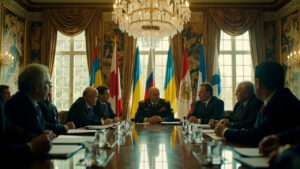
GENEVA — World leaders from the Group of Seven nations wrapped up a two-day summit in Geneva on Thursday, projecting rare unity on the conflict in Ukraine and moving to finalize a new package of sanctions targeting Russian energy revenues, according to officials briefed on the deliberations.
GENEVA — World leaders from the Group of Seven nations wrapped up a two-day summit in Geneva on Thursday, projecting rare unity on the conflict in Ukraine and moving to finalize a new package of sanctions targeting Russian energy revenues, according to officials briefed on the deliberations.
The summit, hosted by Switzerland at the lakeside Palais des Nations, brought together leaders from France, Germany, Italy, Japan, the United Kingdom, the United States and the European Union for talks centred on the grinding war in Ukraine, the widening humanitarian crisis and the economic pressures building across Europe from sustained energy disruption.
Leaders Agree on Expanded Sanctions Package
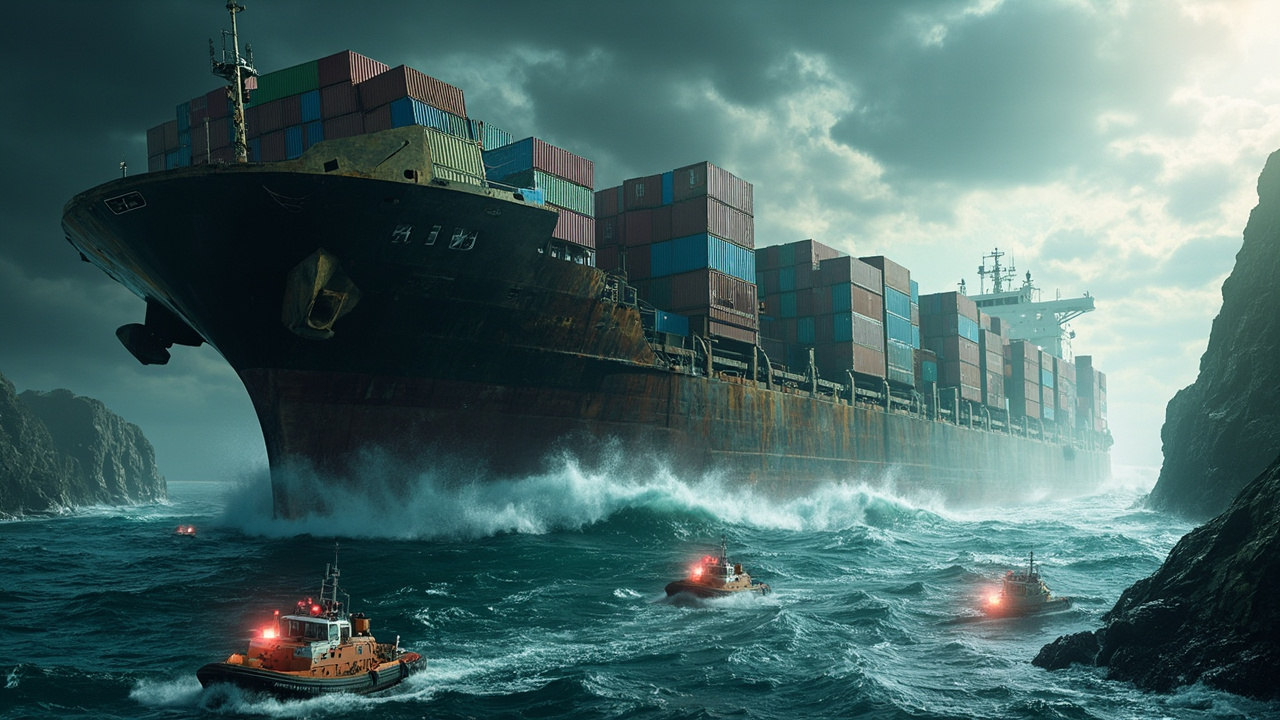
Senior diplomats told reporters at a closing press conference that the G7 had reached consensus on a fifth round of coordinated sanctions targeting Russia liquefied natural gas infrastructure, banking sector connections and maritime shipping networks that carry Russian commodities to global markets. A joint communique was expected to be published later Thursday.
The sanctions package builds on measures agreed in previous G7 summits and represents the most comprehensive effort yet to squeeze Russia foreign currency earnings, according to European officials. “We have reached an understanding on the architecture of the new sanctions,” said a senior French diplomat who requested not to be identified under briefing rules. “The details will be published in the coming days.”
Ukraine Support Framework Extended
Leaders also affirmed a multi-year commitment to military and financial support for Ukraine, extending the framework established at the G7 summit in Hiroshima in 2023. The United States, which had signalled uncertainty about continuing aid levels heading into the summit, confirmed its participation in the extended framework, though officials cautioned that congressional approval would be required for funding beyond the current fiscal year.
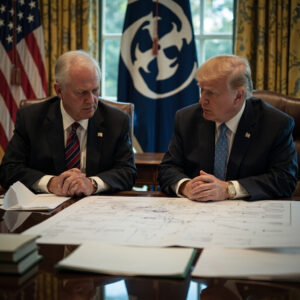
“President Biden reaffirmed America unwavering commitment to Ukraine,” said a statement issued by the White House after a bilateral meeting on the margins of the summit. “The joint framework ensures sustained support through 2027, with regular review mechanisms built in.”
German Chancellor Olaf Scholz described the agreement as historic in scope. “We have shown today that the G7 will not waver,” he told journalists. “The people of Ukraine can count on us.”
Climate and Debt Relief Discussions
Beyond Ukraine, the summit agenda included sessions on accelerating the clean energy transition and on debt relief mechanisms for lower-income countries facing mounting fiscal pressures from global rate volatility. Leaders endorsed a new lending framework for the International Monetary Fund that would expand concessional lending capacity for countries in debt distress, officials said.
The climate session produced a non-binding agreement on phase-out timelines for unabated fossil fuel use in power generation by 2035 for G7 members, though the language was softer than environmental groups had sought. Japan and the United States had pushed for flexibilities that would allow continued use of natural gas as a transitional fuel.
Ukrainian President Volodymyr Zelensky, who participated via video link from Kyiv, thanked G7 leaders for their continued solidarity and urged them to move quickly on the sanctions architecture. “The terrorists are trying to break our resistance with winter attacks on energy infrastructure,” he said in a post on social media. “Every day of delay costs lives.”
The summit communique also addressed nuclear security risks, with G7 leaders expressing concern about military activities near the Zaporizhzhia nuclear power plant in southeastern Ukraine. The International Atomic Energy Agency has reported repeated incidents of damage to cooling systems and transmission infrastructure at the plant, which remains under Russian control but relies on Ukrainian technicians for day-to-day operations.
European Commission President Ursula von der Leyen called the summit outcome a turning point for European security architecture. “For the first time we have a joint commitment that extends beyond military assistance to include reconstruction planning and institutional reform inside Ukraine,” she told reporters in Geneva. “This is not just about surviving the war. It is about winning the peace.”
Looking ahead, G7 foreign ministers are scheduled to meet in Washington in September to review implementation of the new sanctions and assess whether additional measures are needed ahead of the winter heating season, when European demand for energy imports historically peaks.
Canada, which holds the rotating G7 presidency this year, played a central coordinating role throughout the negotiations. Prime Minister Mark Carney held separate bilateral meetings with all seven delegations and hosted three working dinners focused on the sanctions architecture, energy security and the Indo-Pacific strategic outlook. “The unity we have shown here is real and it is durable,” Carney said at the closing ceremony. “G7 nations do not agree on everything, but on Ukraine we speak with one voice.”